California AI Transparency Act Has Changed How AI Content Gets Labeled
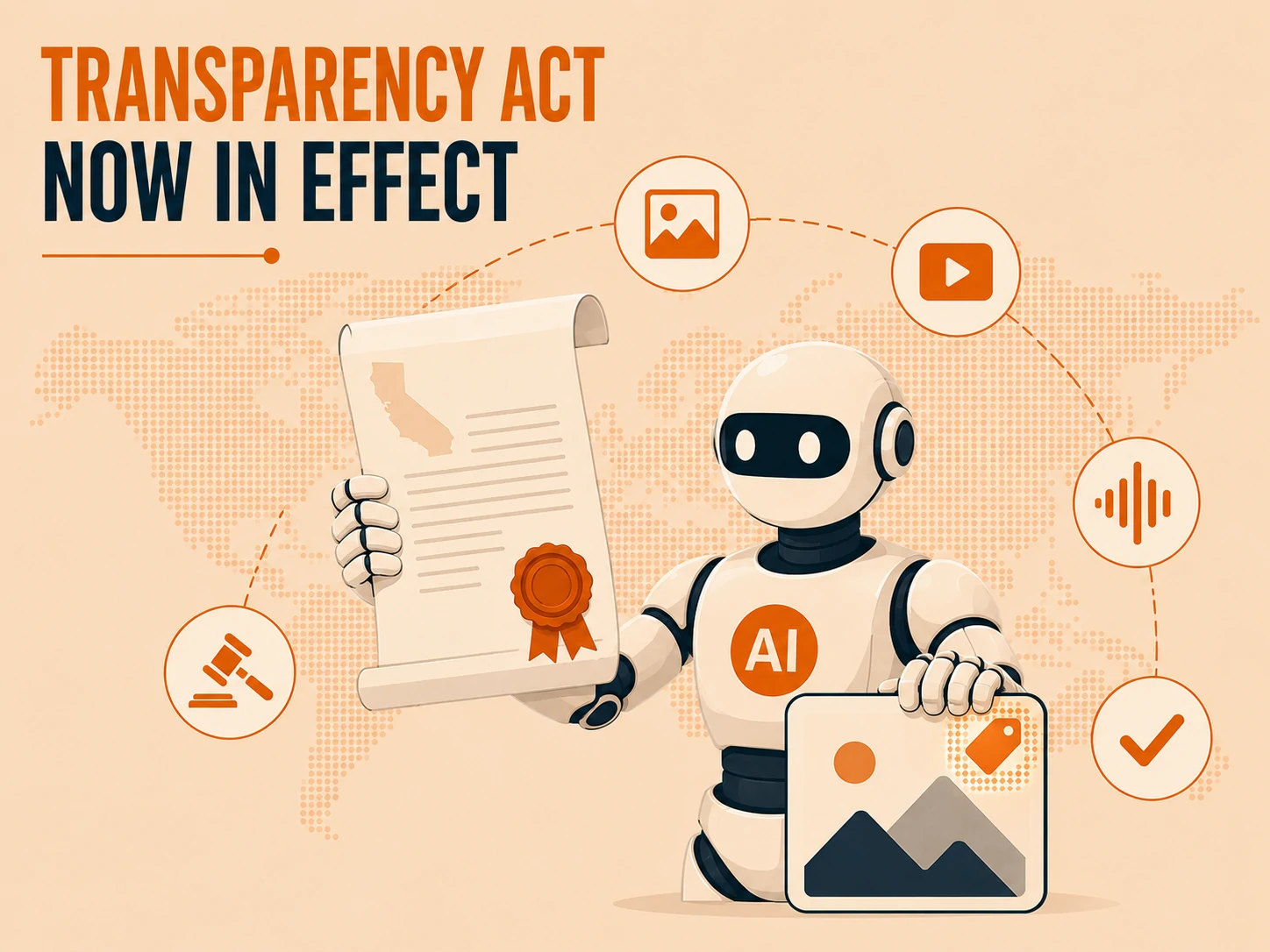
The California AI Transparency Act took effect this month, requiring watermarks on AI images, video, and audio from major providers.

In this article
The California AI Transparency Act became real law on August 2, 2026. If you have used an AI image or video tool from a major company this month, your content may already carry a hidden label you never noticed.
Here is what the law actually does, why the timing matters more than it looks, and what it means for the tools you already use.
What Happened
California’s SB 942, known as the California AI Transparency Act, went into effect after a deliberate delay from its original January 1 start date.
The law now requires any generative AI provider with more than 1,000,000 monthly users or visitors in California to do two specific things:
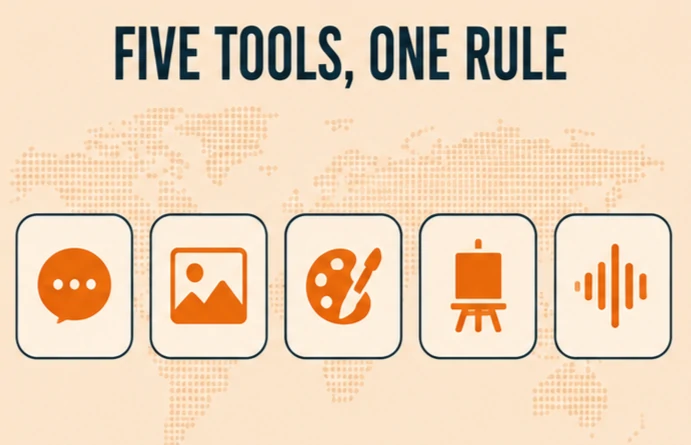
- Embed a hidden, machine-readable label inside every AI-generated image, video, and audio file, naming the provider, the AI system, and the exact creation date
- Offer a free, public detection tool that lets anyone check whether a piece of content was AI-made
Companies also have the option to add a visible label, though the hidden one is mandatory. Text-only output, like a chatbot’s written reply, is not covered.
That threshold pulls in the biggest names in the industry:
- OpenAI
- Adobe
- Midjourney
- ElevenLabs
If you have generated an image, a voice clip, or a video with any of these tools recently, this law already applies to what you made.
Why the Delay Actually Matters
This law was originally supposed to start on January 1, 2026. Lawmakers pushed it back to August 2, and that date was not picked at random.
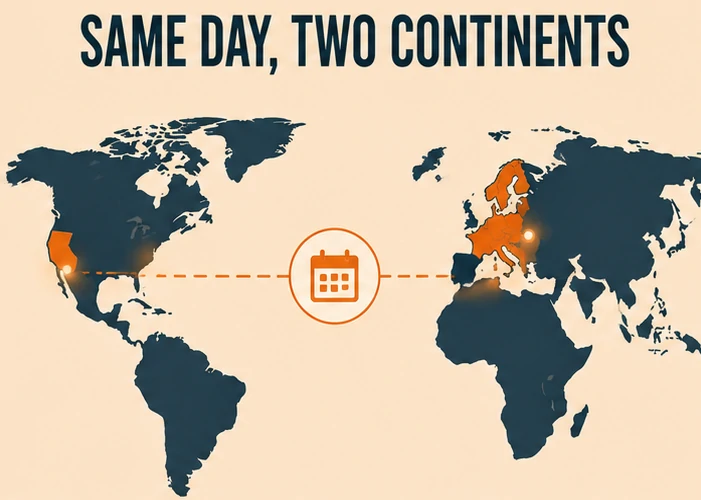
The European Union’s own AI Act includes Article 50, a similar transparency rule for AI content. Article 50 became operative on the exact same day as California’s law.
Two of the largest regulatory systems in the world landed on August 2, 2026 independently. That timing signals something bigger than one state’s rulebook. It suggests transparency requirements for AI content are becoming a global expectation, not a California quirk.
The Enforcement Detail Nobody’s Talking About
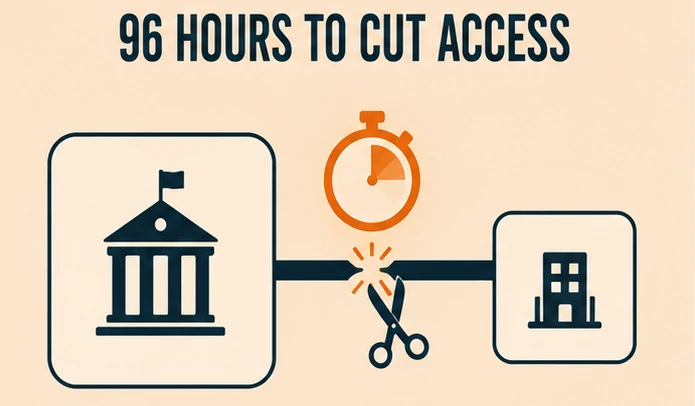
Most coverage of this law stops at the watermarking requirement. The real teeth show up in how it handles companies that license their AI to someone else.
If a covered provider licenses its AI system to another business, and that business strips out the required disclosures, the original provider has 96 hours to cut off that licensee’s access once it learns about it.
There is no grace period built into that clock. Missing it puts the original AI company on the hook too, not just the business that broke the rule. That detail turns every major AI provider into an active enforcer of this law, not just a company checking its own compliance box.
Violations carry a civil penalty of $5,000 per incident, and each day a violation continues counts as a separate one.
How This Protects Your Privacy and Trust Online
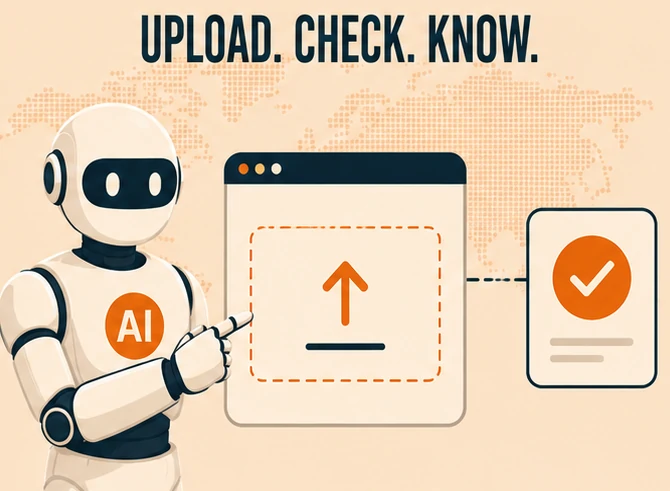
This law is not really about California. It is about giving you a way to check what you are looking at.
Here is what changes for you, practically:
- You can run a suspicious image, video, or audio clip through a provider’s free detection tool to check its origin
- AI content from major tools now carries a permanent, hard to remove marker of where it came from
- Providers cannot quietly ignore misuse of their own systems by licensees anymore, since the 96 hour clock forces action
That said, the protection has real limits. Text is not covered at all, and smaller AI tools under the 1,000,000 user threshold face no requirement yet.
Treat this law as one part of a bigger trend rather than a finished solution. Anthropic’s own recent watermarking rollout for Claude, driven by similar transparency pressure, shows this same pattern playing out across text, not just images and video.
What This Means Going Forward
The California AI Transparency Act is a real, enforceable rule with actual financial consequences attached to it. It is also just one piece of a fast moving global pattern.
Expect more platforms and device makers to fall under similar rules by 2028, since the law already has a phased rollout planned. Staying aware of which tools carry these labels is a habit worth building now, not later.
Frequently Asked Questions
What is the California AI Transparency Act?
The California AI Transparency Act, also known as SB 942, is a state law that requires large generative AI providers to label AI-generated images, video, and audio content. It became operative on August 2, 2026, after being delayed from its original January 1 start date.
What does the California AI Transparency Act do?
The law requires covered AI providers to embed a hidden, permanent label inside AI-generated content and to offer a free public tool that lets anyone check if content was AI-made. Providers can also add a visible label, though only the hidden one is required.
What are the new AI rules in California?
The new rules require any generative AI provider with over 1,000,000 monthly users in California to disclose AI-generated image, video, and audio content through hidden metadata and a free detection tool. Violations carry a $5,000 penalty per incident, with each day counted separately.
What is the purpose of AI transparency?
The purpose of AI transparency rules like this one is to give people a reliable way to tell whether content was created by AI. It aims to reduce confusion and misuse without banning AI content outright, only requiring it be clearly traceable.
Which companies does the California AI Transparency Act affect?
The law affects any generative AI provider with more than 1,000,000 monthly users or visitors in California, including major companies like OpenAI, Google, Adobe, Midjourney, and ElevenLabs.
Does the California AI Transparency Act cover text generated by AI?
No. The law’s requirements apply only to AI-generated image, video, and audio content. Text-only output, such as a chatbot’s written response, is not covered under the current rules.
How can I check if content was made by AI under this law?
Covered AI providers must offer a free, publicly accessible detection tool. You can upload a file or paste a link to that content and the tool will check for the hidden AI label the law requires.
What happens if a company breaks the California AI Transparency Act?
Violators face a civil penalty of $5,000 per violation, with each day of continued violation counted separately. Providers must also cut off access to any licensee that strips required disclosures within 96 hours of finding out.
Every number, date and quote in this article links to its source. Spotted a mistake? Tell us and we will correct it with a dated note. Read our editorial policy.