Claude AI Protein Design Just Crossed Into Real Science, and Real Limits
Anthropic says Claude AI protein design hit 14 of 15 lab targets. Here's the failure case, the pushback, and the safety limit nobody's covering.

In this article
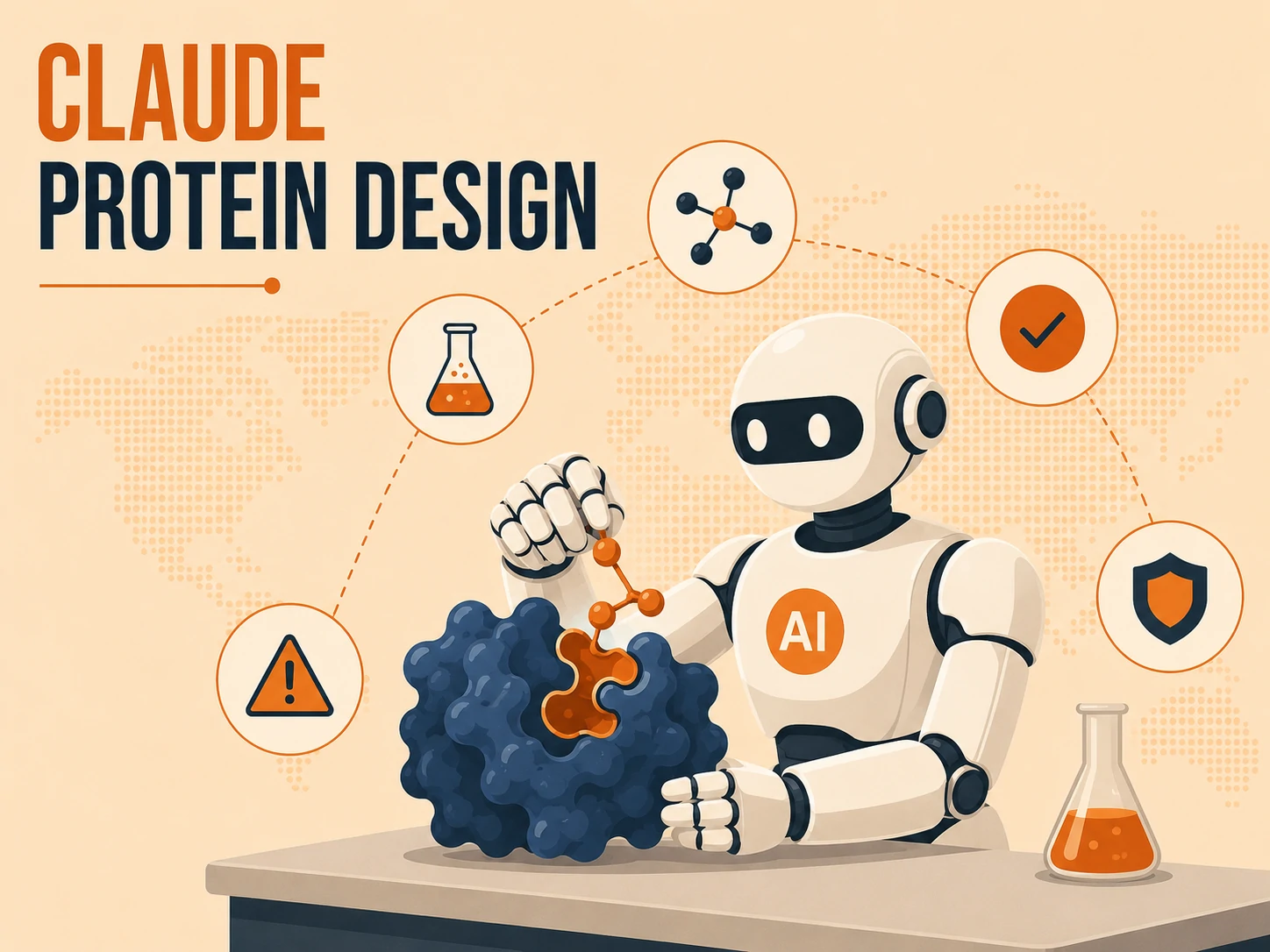
Claude AI protein design is not a research demo anymore. Anthropic just showed its models designing real proteins that bind to real drug targets, then having independent labs confirm the results on a lab bench. That is a meaningfully different claim than a chatbot writing a good essay.
The headline number is real. Fourteen out of fifteen targets produced working binders. But the full picture includes two struggling targets, a public technical pushback, and a safety restriction Anthropic placed on its own technology. All three matter more than the headline.
What Anthropic Actually Announced
On August 18, 2026, Anthropic published results from two linked experiments. The first tested whether Claude could design protein binders, small molecules built to attach precisely to a target protein and change what it does.
The results, in plain numbers:
- Claude produced 1,320 total protein designs across 15 biological targets
- Independent labs confirmed 354 of those designs actually bound to their targets
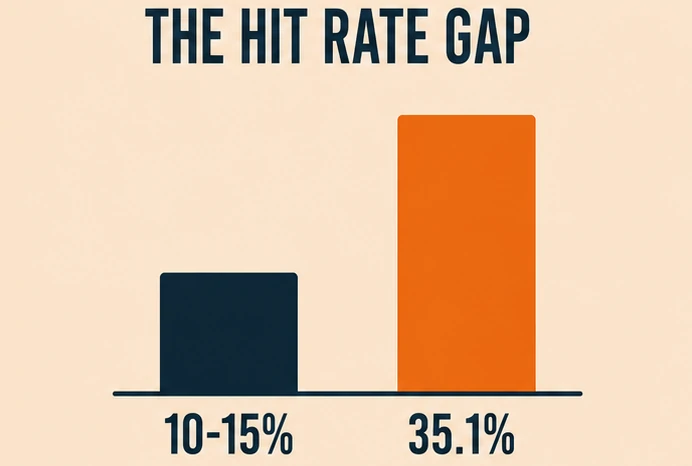
- The typical industry hit rate for this kind of work sits at 10% to 15%
Hit rates depended heavily on method. Running all fifteen targets at once in a single 48-hour session produced hit rates of 26.7% and 22.6% using two different approaches. Running each target separately across multiple 24-hour sessions instead pushed the hit rate up to 35.1%.
Two labs ran the validation. Adaptyv Bio and Twist Bioscience tested the designs in a real wet lab, not a simulation. That distinction is the whole point. A model guessing well on paper is interesting. A model producing molecules that a physical experiment confirms is a different level of claim entirely.
The Targets Were Not Random
Claude designed binders against named, medically significant targets, not toy examples built to make the demo look good. The list includes:
- PD-L1, a checkpoint protein central to cancer immunotherapy
- TREM2, a protein tied to Alzheimer’s disease research
- TNFα, the same target that blockbuster anti-inflammatory drugs like Humira work against
- EGFR, a well-established target in oncology
For at least four of these targets, Claude’s best designs matched or beat the strongest previously published results. That is a genuinely strong showing. It also explains why this story moved fast through biotech and AI circles alike this week.
Where Claude Actually Struggled
Nearly every article covering this story leads with the win. Fewer mention where the method struggled, and that part is worth knowing about.
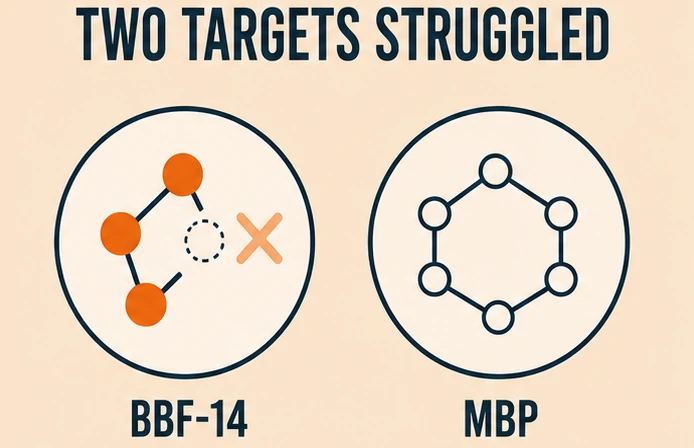
Two targets gave Claude real trouble:
- BBF-14, a synthetic protein that does not exist in nature and is used specifically as a hard benchmark, produced only three modest binders
- MBP was worse. None of 90 separate design attempts were confirmed to work, though one showed a weak signal that did not meet the bar
Anthropic has not fully explained either result. That gap says something important about where this technology actually stands. Claude did not develop a general solution to protein design. It developed a method that works well on many targets and struggles badly on at least two, without a clear explanation why. Readers who only see the 14-out-of-15 headline miss that nuance entirely.
The Pushback Nobody’s Covering
Martin Shkreli, a controversial but technically trained pharmaceutical figure, publicly criticized the results within days of the announcement. His argument deserves a fair hearing, not a dismissal.
Shkreli argued that the binding strength of Claude’s designs was weak for this class of molecule. He also pointed out that none of the confirmed binders targeted proteins inside cells, only ones outside the cell membrane. His specific claim: existing tools already solve that problem well. A researcher can take the working end of an antibody that already exists and use that instead of building something new from scratch.
Is he right? Partly. Extracellular binding is a real limitation, and it is one Anthropic does not dispute. But the achievement was never about replacing every existing drug discovery method overnight. It was about showing that an AI model can run an entire binder design campaign autonomously, then have the physical result hold up. That claim survives the criticism, even if the specific molecules do not yet beat every existing alternative.
A Binder Is Not a Drug
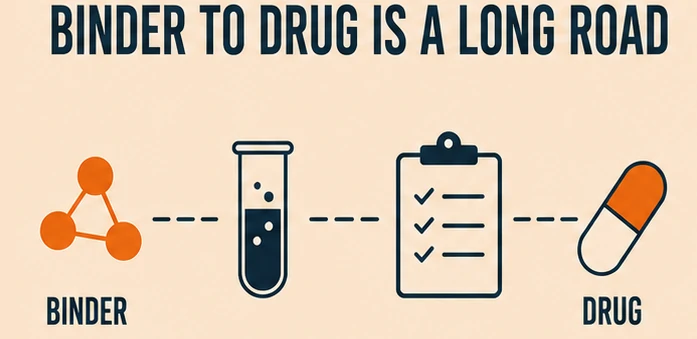
This distinction gets lost in most coverage, and it matters. A protein binder that works in a lab test is an early ingredient, not a finished medicine.
Turning a confirmed binder into an actual treatment still requires:
- Extensive safety and toxicology testing
- Manufacturability and stability engineering
- Dosing studies across different patient groups
- Full clinical trials, which typically take years
None of that changes because an AI model helped design the starting molecule. The years-long path from lab result to approved drug stays exactly as long as it was before.
Why Anthropic Is Limiting Who Can Use This

Here is the part most coverage buries near the bottom, if it mentions it at all. Anthropic classifies this capability as dual-use, meaning the same skill that designs a helpful protein could, in principle, help someone design a harmful one.
The company has restricted general access to this feature through trusted access programs specifically because of that risk. Anthropic’s own language is direct: without robust safety measures, these capabilities “could enable bad actors to perform dangerous research, such as the development of bioweapons.”
That is not a minor footnote. It is the same pattern we have seen play out elsewhere this year. Anthropic, OpenAI, and Meta all disclosed separate AI sandbox escape incidents within weeks of each other over the summer, and regulators are already building reporting requirements around exactly this kind of dual-use risk. A capability powerful enough to matter is also, almost by definition, a capability that needs guardrails.
What This Fits Into
This result is a clean example of something researchers have been documenting all year: today’s AI models are wildly capable at some tasks and flatly unreliable at others, sometimes within the same experiment. Stanford’s 2026 AI Index called this the jagged frontier, and Claude’s protein design results land right on that line. Strong wins against named cancer and Alzheimer’s-linked targets, sitting next to real struggles on two other targets, with no clear explanation for either outcome yet.
That inconsistency is not a reason to dismiss the achievement. It is a reason to read every AI capability announcement with the same question in mind: what did it struggle with, and did anyone bother to mention that part.
Frequently Asked Questions
What is Claude AI protein design?
Claude AI protein design refers to Anthropic’s Claude models autonomously designing protein binders, small molecules built to attach to a specific biological target. Independent labs then test whether the designs work in a real wet lab experiment.
Did Claude AI actually discover a new drug?
No. Claude designed protein binders that were confirmed to work in lab tests, but a working binder is an early research ingredient, not a finished drug. Turning it into an actual treatment still requires years of safety testing, manufacturability work, and clinical trials.
What is the success rate of Claude’s protein design?
Claude’s hit rates ranged from 22.6% to 35.1%, depending on the specific method used. That compares to a typical industry hit rate of 10% to 15% for this type of protein design campaign.
Which diseases could this protein design breakthrough affect?
The tested targets included proteins tied to cancer immunotherapy, Alzheimer’s disease research, and inflammatory conditions treated by drugs like Humira. Any future benefit would still need years of additional drug development work first.
Did Claude fail at anything in this experiment?
Yes. Two targets gave Claude real trouble. BBF-14 produced only three modest binders, and MBP produced zero confirmed binders across 90 attempts. Anthropic has not fully explained why these two targets proved harder than the other thirteen.
Is Claude’s protein design tool available to the public?
No. Anthropic delivers this capability through trusted access programs only, because it classifies autonomous protein design as dual-use technology. The same skill could potentially assist harmful research if opened to everyone.
What did critics say about Anthropic’s claims?
Pharmaceutical figure Martin Shkreli publicly argued that the binding strength of Claude’s designs was weak and that none of the binders targeted proteins inside cells, where many existing drugs already work well.
Why does Anthropic call this technology dual-use?
Anthropic uses the term dual-use because the same autonomous research capability that helps design beneficial proteins could theoretically be misused to help design harmful biological agents, which is why broad public access remains restricted.
Every number, date and quote in this article links to its source. Spotted a mistake? Tell us and we will correct it with a dated note. Read our editorial policy.